
The Importance of the Option Period for Homebuyers in Texas
Welcome, first-time homebuyers in Dallas! One of the most critical aspects of buying a home in our great state of Texas is understanding the concept of the “Option Period.”
The Option Period is a crucial step in the home-buying process. It’s like a safety net for homebuyers, taking the home-buying experience from a quick transaction to a thoughtful decision-making process. It gives buyers the freedom to investigate, ask questions, and reflect before making one of the biggest financial decisions of their lives. Understanding and using the Option Period in the competitive Texas real estate market can make your home-buying journey secure and satisfying.
In this article, I’ll answer some burning questions about the Option Period for all you home buyers looking to buy a home in the Dallas area.
It’s important to keep in mind that the Option Period is available if you’re using a standard Texas Real Estate Commission (TREC) contract. However, some sellers may use different home purchase contracts, and in such cases, the Option Period may not be available. It’s crucial to thoroughly review any contract and seek legal advice if necessary to ensure you’re fully aware of your rights, obligations, and any potential exclusions like the Option Period.
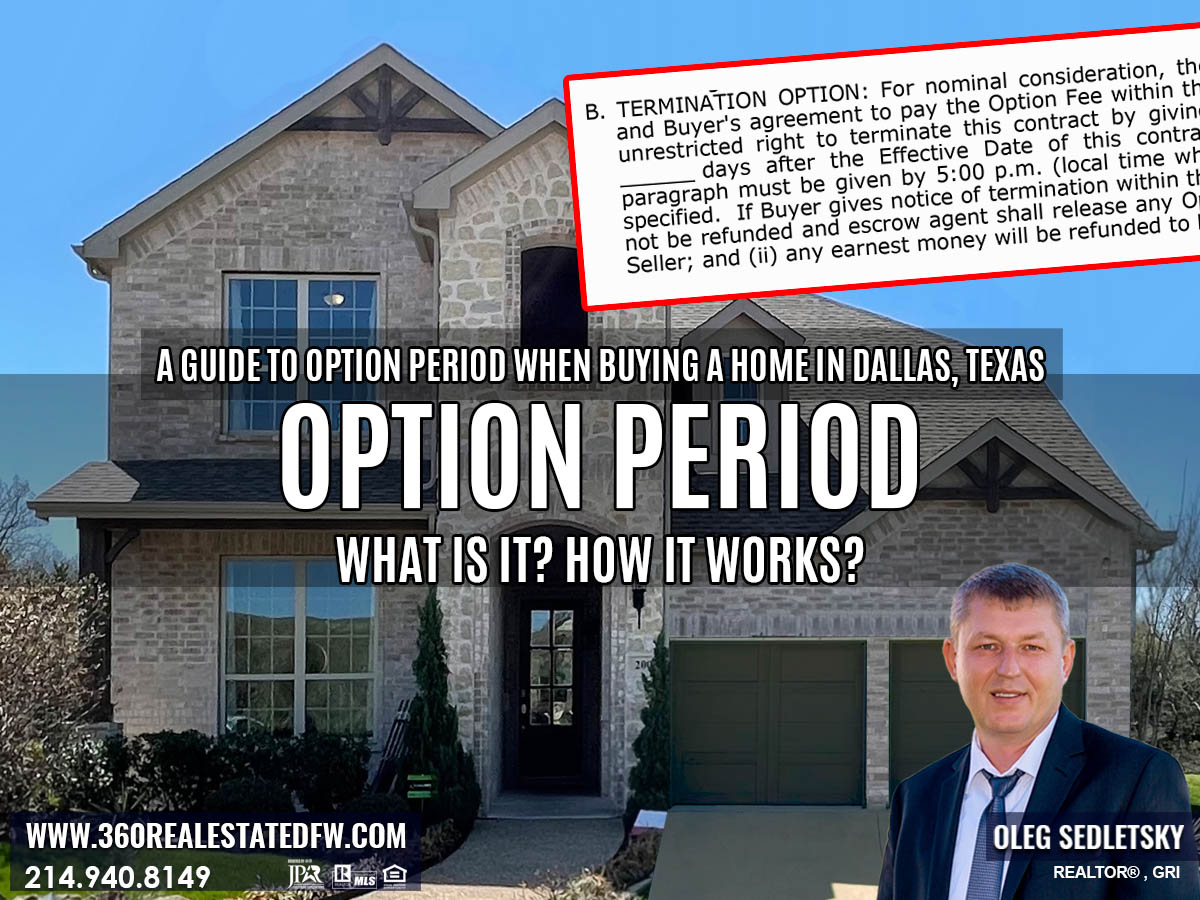
What is the Option Period?
The Option Period is a time frame during which buyers can back out of the property purchase for any reason. This period typically lasts between 5 to 10 days, but the duration is negotiable and should be clearly stated in your contract.
Why is it called Option Period?
It’s called the “Option Period” because it gives buyers the “option” to walk away from a purchase. It’s a chance to further investigate the property, finalize financing, and decide if the house is truly the right fit.
Is the Option Period mandatory in Texas?
In Texas, the Option Period is not mandatory; however, it is highly recommended. This period can provide you with crucial time to make sure you’re making the right decision.
When does the Option Period begin?
The Option Period kicks in automatically when the home purchase contract is signed. Of course, you’ll want to discuss and agree on the length and amount of Option money before sealing the deal.
How long is the Option Period?
The length of the Option Period is decided between the buyer and seller during contract negotiations. Remember, this period can be as long or as short as you both agree upon.
Ask your Realtor to negotiate the length of the Option Period. It’s important because during this time, you’ll want to get a lot of things done, like home inspection, foundation inspection, plumbing inspection, etc. These services need to be scheduled, reports need to be produced, and you’ll need time to think about it. So, make sure you’ve got enough time!
Is Option Period Free?
The Option Period is not free. The fee amount can vary, but understand this: a small investment could save you from a costly mistake. Please read my article about the Option Fee.
What do you need to do DURING the Option Period BEFORE it expires?
During the Option Period, you’ll want to have the property professionally inspected. The inspections allows you to uncover any potential issues that might not be visible during a casual walk-through.
If any issues were found during the Option Period, this is when you can negotiate repairs with the seller.
It is during the Option Period that you must decide if you are 100% committed to the house. Given its significance, it is crucial to use this limited time wisely. Interact with neighbors, visit at different times of the day, and visualize your life in the house. These steps, along with professional inspections, will help you make an informed decision.
Alternatively, you can cancel the home purchase contract and get your Earnest money back. Just a heads up! If you decide to cancel the contract, make sure to submit the Notice of Buyer’s Termination of Contract within the specified time frame stated in the contract. Make sure to consult with your Realtor at least 1 day before the end of the Option Period to discuss the course of action you’d like to pursue.
What Happens After the Option Period Expires?
Once the Option Period is up, if you haven’t backed out of the contract, you’re committed to buying the home.
Should You Have an Option Period?
Given the high stakes involved in buying a house, having an Option Period can provide invaluable peace of mind. It allows you time to thoroughly vet the property and ensures that you don’t rush into a decision that you might regret later. However, remember to negotiate the length of the period wisely and understand that there is a fee associated with this option.
Now you know!
An Option Period can serve as your ally in the home buying process, giving you the power to confidently move forward with your purchase or comfortably step back if needed. As always, it’s essential to speak to a real estate professional who can guide you through the nuances of the Option Period in Texas. Remember, as your friendly local Realtor, I’m here to guide you through every step of the home buying process, including navigating the Option Period. Don’t hesitate to reach out with any questions!








Hey Home Buyers! Are you excited to experience the joy of homeownership in the vibrant Dallas-Fort Worth area?
Buying a home in the Dallas-Fort Worth area should feel exciting, not overwhelming. Whether you’re eyeing a charming pre-owned house or a fresh new build, I’m here to make the home buying process simple and straightforward.
I’ll be here to answer your questions, handle the details, and make sure everything falls into place. My goal is to help you buy a home that checks all the boxes for you.
Let’s get started. Fill out my quick Homebuyers contact form and I’ll take it from there.
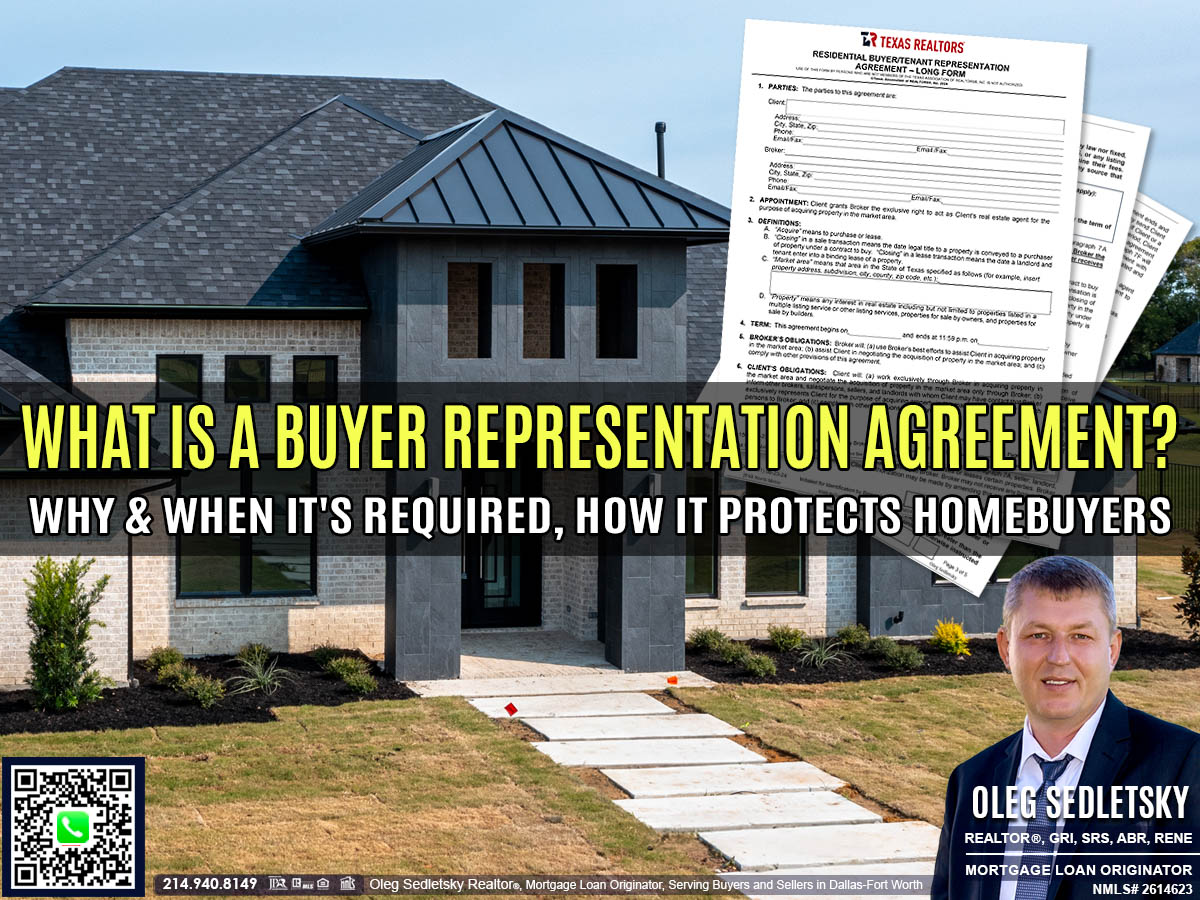
The Buyer’s Agent Duty
READ: Texas Real Estate Commission Information About Brokerage Services
AS AGENT FOR BUYER/TENANT: The broker becomes the buyer/tenant’s agent by agreeing to represent the buyer, usually through a
written representation agreement. A buyer’s agent must perform the broker’s minimum duties above and must inform the buyer of any
material information about the property or transaction known by the agent, including information disclosed to the agent by the seller or
seller’s agent.
A BROKER’S MINIMUM DUTIES REQUIRED BY LAW (A client is the person or party that the broker represents):
– Put the interests of the client above all others, including the broker’s own interests;
– Inform the client of any material information about the property or transaction received by the broker;
– Answer the client’s questions and present any offer to or counter–offer from the client; and
– Treat all parties to a real estate transaction honestly and fairly.
TO AVOID DISPUTES, ALL AGREEMENTS BETWEEN YOU AND A BROKER SHOULD BE IN WRITING AND CLEARLY ESTABLISH:
– The broker’s duties and responsibilities to you, and your obligations under the representation agreement.
– Who will pay the broker for services provided to you, when payment will be made and how the payment will be calculated.
TYPES OF REAL ESTATE LICENSE HOLDERS:
– A BROKER is responsible for all brokerage activities, including acts performed by sales agents sponsored by the broker.
– A SALES AGENT must be sponsored by a broker and works with clients on behalf of the broker.
Latest from Dallas Real Estate Blog
– Texas Homebuyers Tips, Tricks and Lifehacks
– New Construction Homes in Dallas TX
– Mortgages for Homebuyers and Investors in Dallas-Fort Worth